

What to Feed Your Dog: A Complete Nutrition Guide
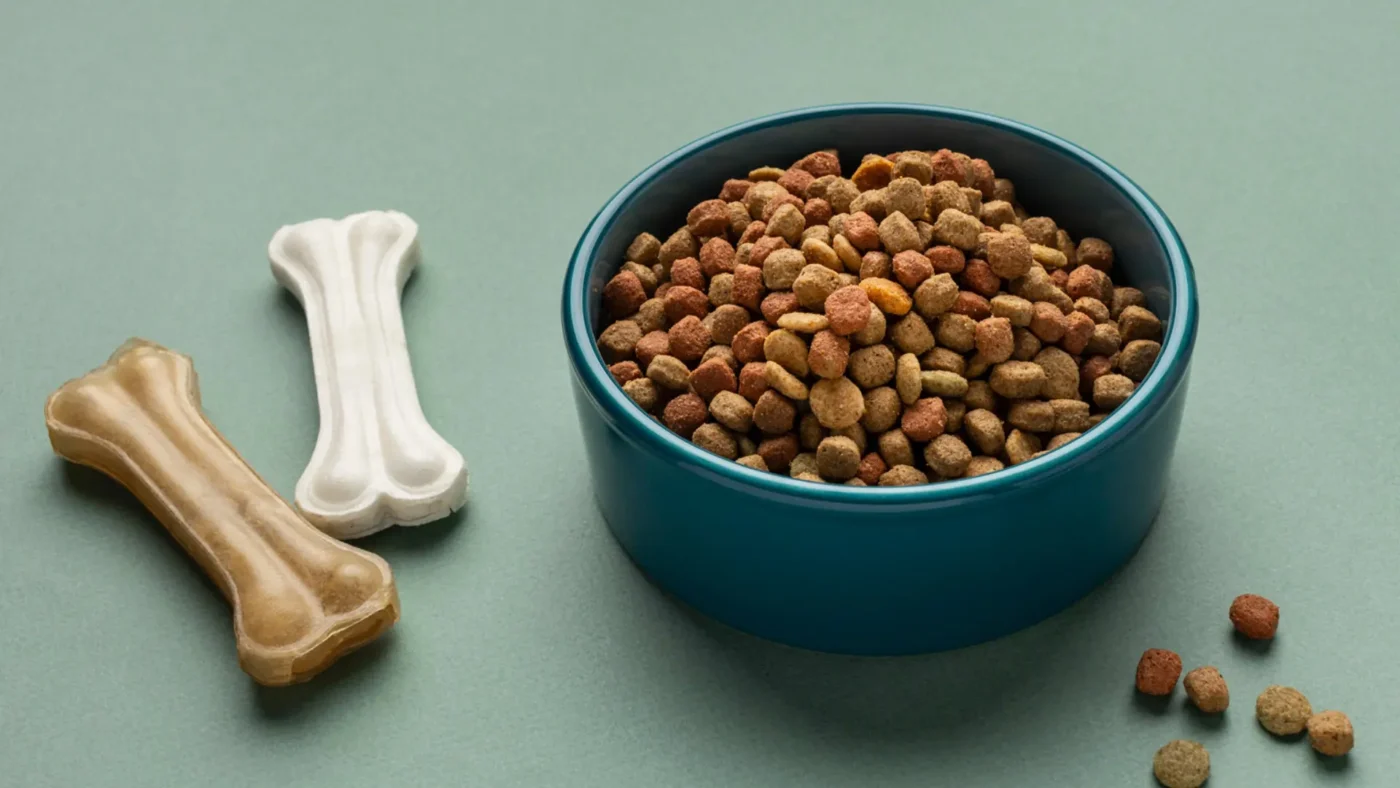
Deciding what to feed your dog is one of the most important decisions you’ll make as a pet owner. A high-quality diet is the foundation of a long, healthy life. This guide breaks down everything you need to know about canine nutrition, from essential ingredients to life-stage requirements.
Quick Guide: What to Feed Your Dog
| Category | Key Recommendation |
|---|---|
| Top Ingredient | High-quality animal proteins (Chicken, Beef, Fish, Lamb) |
| Feeding Style | Mixed feeding (Dry for dental health; Wet for hydration) |
| Life Stage | Puppy (Growth), Adult (Maintenance), Senior (Joint Support) |
| Certification | Look for “AAFCO Standards” and specific meat sources first |
| Avoid | Xylitol, Grapes/Raisins, Chocolate, Onions/Garlic |
Understanding Your Dog’s Nutritional Needs
A dog’s nutritional requirements are significantly different from those of humans or cats. Because dogs are omnivores, they thrive on a balanced diet of proteins, fats, carbohydrates, vitamins, and minerals.
When considering what to feed your dog, protein should be your top priority. High-quality animal proteins like chicken, beef, fish, and lamb support muscle growth, immune function, and organ health. Additionally:
- Fats: Provide concentrated energy and support brain function and coat health.
- Complex Carbohydrates: Offer sustained energy and aid in healthy digestion.
Dry Food vs. Wet Food: Which is Better?
Both dry kibble and wet canned food have their advantages. Dry food is convenient, cost-effective, and can help maintain dental health. Conversely, wet food has a higher moisture content—ideal for dogs that don’t drink enough water or have urinary tract issues.
Many veterinarians recommend a “mixed feeding” approach. When choosing what to feed your dog, ensure the product meets AAFCO nutritional standards for your pet’s specific life stage.
Quick Compare: Dry vs. Wet Food
| Dry Kibble | Wet Canned Food |
|---|---|
| ✅ Better for Dental Health | ✅ High Moisture (Hydration) |
| ✅ Cost-Effective & Storage | ✅ More Palatable/Tasty |
| ❌ Low Moisture Content | ❌ Higher Cost per Meal |
| ❌ Often Harder to Chew | ❌ Doesn’t Clean Teeth |
Pro Tip: Mix both for the best results!
Life Stage Nutrition: Puppies, Adults, and Seniors
Your dog’s nutritional needs change as they age.
- Puppies: Require higher levels of protein, calcium, and calories for rapid growth.
- Adults: Need a balanced maintenance diet to prevent weight gain.
- Seniors: Often benefit from fewer calories, more fiber, and joint-supporting supplements like glucosamine.
How to Read Dog Food Labels
To truly know what to feed your dog, you must master the ingredient label. Ingredients are listed by weight, so a named meat source (e.g., “Deboned Chicken”) should always be first.
- Avoid: Vague terms like “meat meal” or “animal by-products.”
- Look For: Whole food ingredients and a “Guaranteed Analysis” that fits your dog’s activity level.
Portions: How Much to Feed Your Dog
Overfeeding is a leading cause of canine obesity, which increases the risk of diabetes and heart disease. While packaging provides a baseline, the best way to determine what to feed your dog in terms of volume is by monitoring their body condition. You should be able to feel your dog’s ribs without pressing hard, but they shouldn’t be visibly prominent.
Dangerous Foods: What NOT to Feed Your Dog
Part of knowing what to feed your dog is knowing what to keep off the menu. Many human foods are toxic to canines, including:
- Chocolate: Contains theobromine, which can be fatal.
- Grapes & Raisins: Can cause acute kidney failure.
- Xylitol: An artificial sweetener found in gum and some peanut butters that causes life-threatening blood sugar drops.
- Onions & Garlic: Can lead to anemia by damaging red blood cells.